
Fully Funded
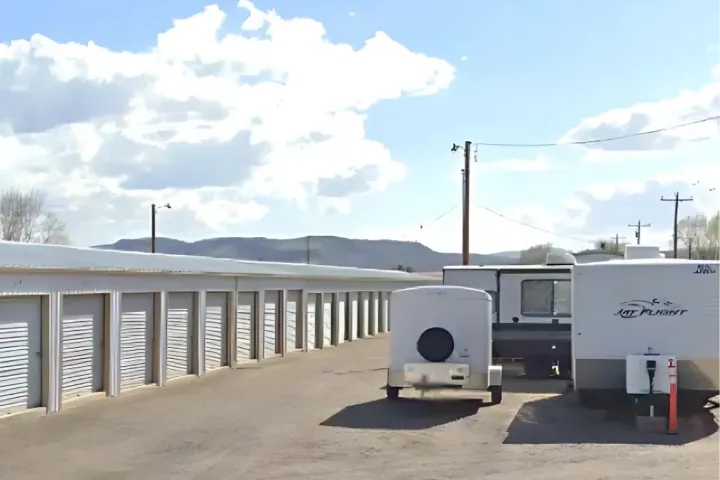
Self-Storage Carlin, NV
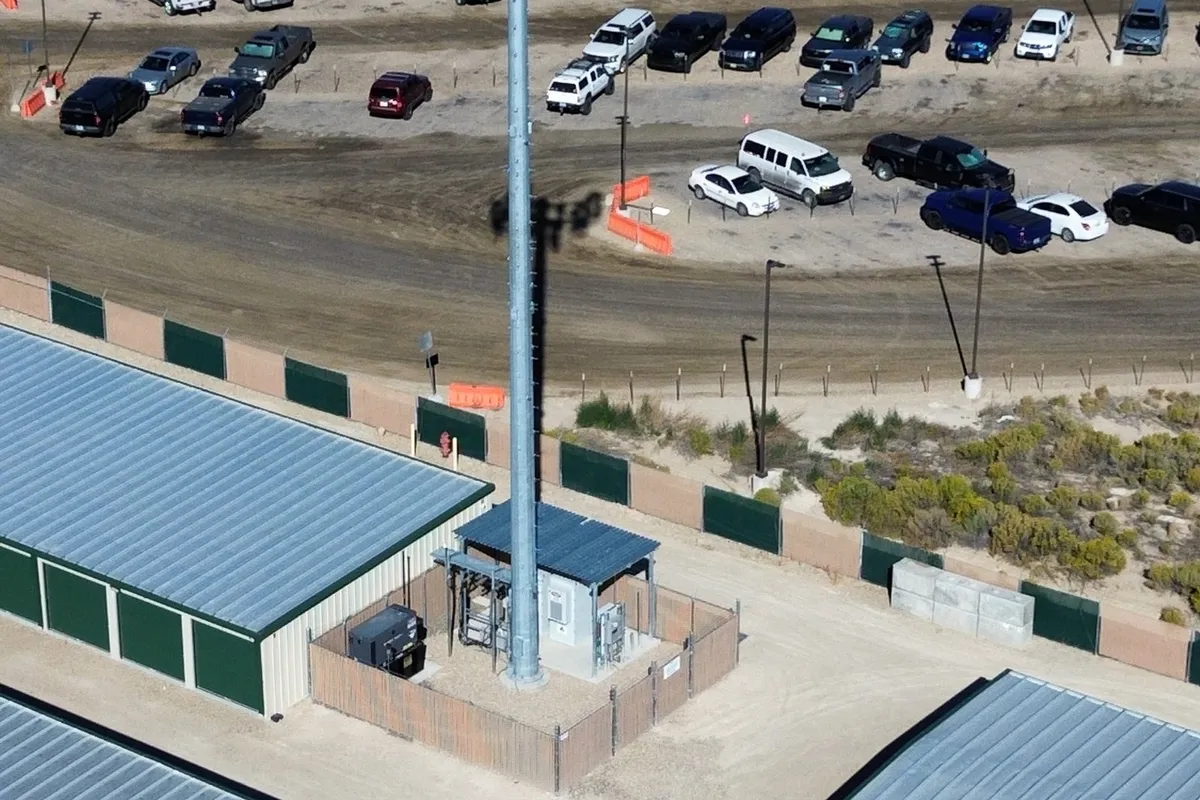
Citadel Carlin
One of HRZN's strongest-performing facilities, holding 100% occupancy while executing rent increases.
Target IRR
24%
Investor education
People need storage in good times and bad. Here is what self-storage is, who rents it, and why we invest in it.
The basics
Self-storage lets people and businesses rent a space for their things, usually month to month. The renter keeps the key and comes and goes as they need.
Baby boomers downsizing, millennials starting families, and students heading to college all use it. So do small businesses that need room for inventory and equipment.
Demand
Most people rent storage because something changed at home. Those changes keep coming whether the market is up or down.
A new job, a new city, or a home that is not ready yet.
Marriage, a new baby, or two households becoming one.
Moving into a smaller home and keeping what matters.
Students storing their things between school years.
Service members storing a household during a deployment.
Inventory, materials, and equipment that need a safe place.
“The three Ds of self-storage: death, divorce, and displacement.”
Industry data
Storage loans have a strong repayment record. KBRA, a credit rating agency, says storage has historically been one of the best performing property types in commercial mortgage bonds, measured by defaults and losses.
of self-storage loans in commercial mortgage bonds were behind on payments in September 2025.
Source: KBRA, October 2025
of all commercial mortgage bond loans were behind on payments at the same time.
Source: KBRA, October 2025
Storage is not immune to the market. KBRA notes demand spiked from 2020 to 2022, then moderated over the last two years. New construction has declined because of higher borrowing and construction costs. KBRA says population growth, household formation, and demographic trends, especially aging baby boomers and mobile millennials, continue to shape long term storage needs.
For investors
What draws us to the asset class, in plain terms.
Many renters share each facility, so no single tenant carries it.
Leases are often month to month, so rents can keep pace with the market.
Simple buildings with few moving parts keep operating costs low.
Many cities restrict where new storage can be built.
Real estate can offer depreciation. Ask your tax advisor how it applies to you.
A facility can be refinanced, held for cash flow, or sold to a larger operator.
Our portfolio
Projects that are fully funded.
One of HRZN's strongest-performing facilities, holding 100% occupancy while executing rent increases.
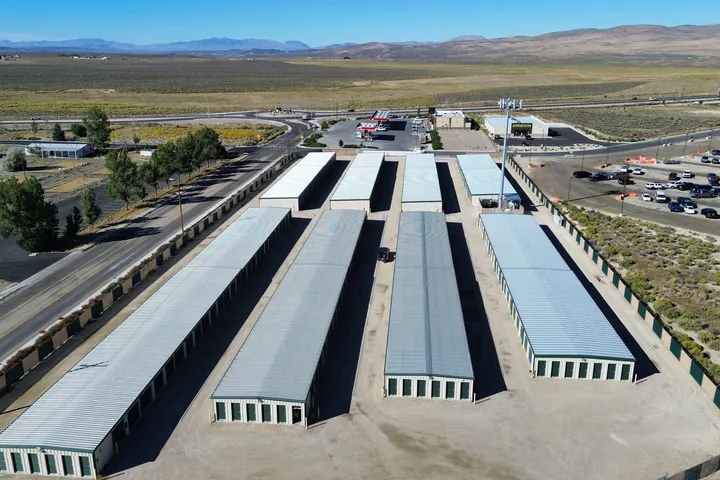
A 290-unit self-storage facility near Elko, Nevada, building multiple revenue streams, with occupancy up from 70% to 82% in a year.
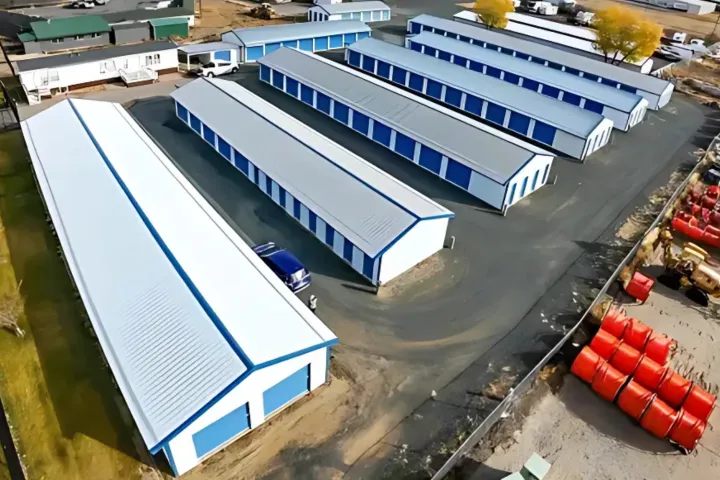
A value-add self-storage facility that has added an 11,000 sq. ft. expansion phase and is leasing up the new units.
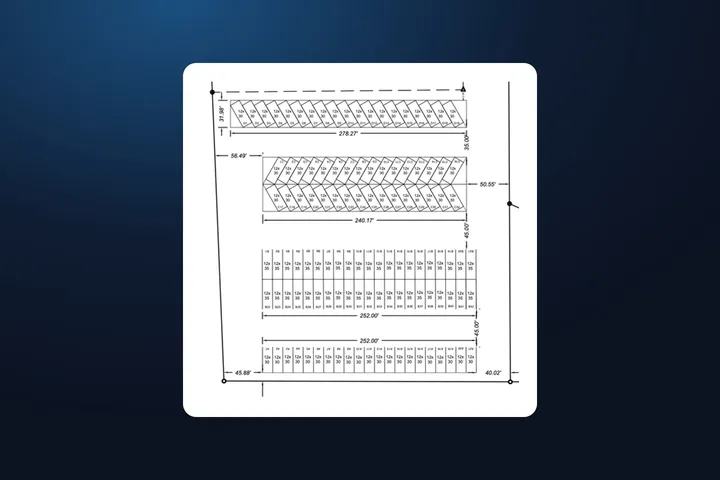
A 12-month land investment for covered RV and boat storage: an 8% preferred return paid monthly while the land is leased and entitled, plus 10% at a pre-arranged sale.
Want to talk through a project?
Our approach
HRZN owns and runs its storage through Citadel Storage, our own storage company. Before we buy or build, we check the basics.
Talk with our team about how HRZN invests in storage.
This page is for informational purposes only and is not investment, tax, or legal advice, or an offer to sell or a solicitation of an offer to buy any security. Offers are made only through official offering documents. Past performance does not guarantee future results.